
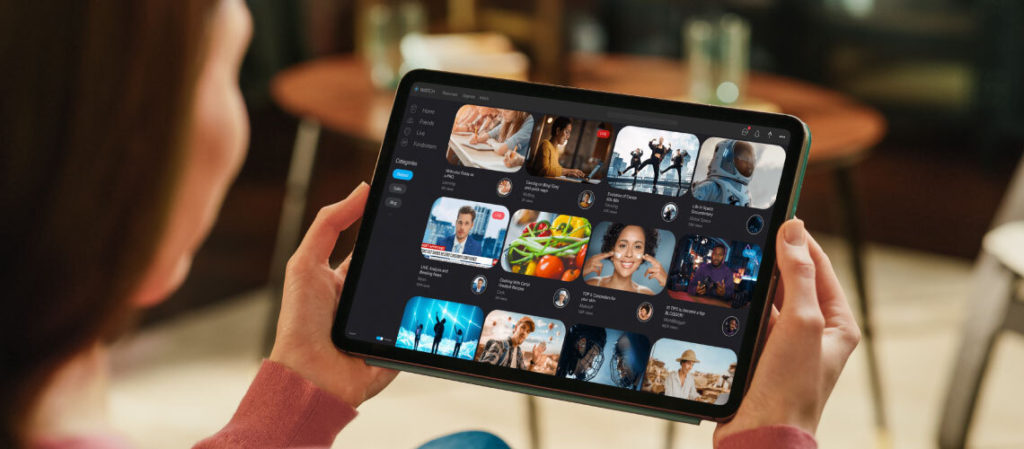
The entertainment industry has undergone a major transformation with the rise of OTT (Over-The-Top) platforms. Streaming services have changed how audiences discover, watch, and engage with content. What was once limited by television schedules and cinema releases is now available on demand, across devices, and at any time.
This shift has redefined viewing habits and reshaped the global entertainment ecosystem.
From Scheduled Viewing to On-Demand Access
Traditional television required viewers to follow fixed schedules. OTT platforms introduced on-demand viewing, allowing audiences to watch content whenever it suits them.
This flexibility has significantly changed consumption patterns. Viewers now control what they watch, how much they watch, and when they pause or resume content.
On-demand access has become a key expectation rather than a luxury.
Expansion of Content Variety
OTT platforms have expanded the range of available content. Viewers can choose from movies, series, documentaries, and regional productions across languages and genres.
This diversity has encouraged experimentation and niche storytelling. Content creators are no longer limited to mainstream formats and can cater to specific audience interests.
Greater variety has increased viewer engagement and choice.
Shift in Audience Behavior
Binge-watching has become a common viewing habit. Entire seasons released at once allow audiences to consume content continuously.
This behavior has influenced storytelling styles, pacing, and episode structure. Content is now often designed to maintain engagement over longer viewing sessions.
Audience expectations around quality and depth have also increased.
Impact on Traditional Media
The growth of OTT platforms has affected traditional television and cinema. Viewership patterns have shifted, especially among younger audiences.
Television networks and film producers have adapted by launching their own digital platforms or collaborating with streaming services. Release strategies have evolved to include digital premieres.
Traditional media continues to coexist with OTT but in a changed role.
Accessibility Across Devices
OTT platforms are accessible across smartphones, tablets, smart TVs, and computers. This device flexibility has expanded reach beyond living room televisions.
Mobile viewing has become especially popular, allowing entertainment consumption during travel or short breaks. Accessibility has increased total viewing time.
Ease of access has played a major role in platform adoption.
Economic and Creative Impact
OTT platforms have created new opportunities for content creators, actors, writers, and production teams. Increased demand for original content has expanded employment and investment in the industry.
Budget allocation, creative freedom, and storytelling formats have evolved. This has contributed to innovation and competition.
The entertainment economy has become more dynamic as a result.
Conclusion
OTT platforms have fundamentally changed content consumption by offering flexibility, variety, and accessibility. Viewer behavior, storytelling styles, and industry structures have evolved alongside this shift.
As technology and audience preferences continue to develop, OTT platforms are likely to remain a central part of the entertainment landscape.