
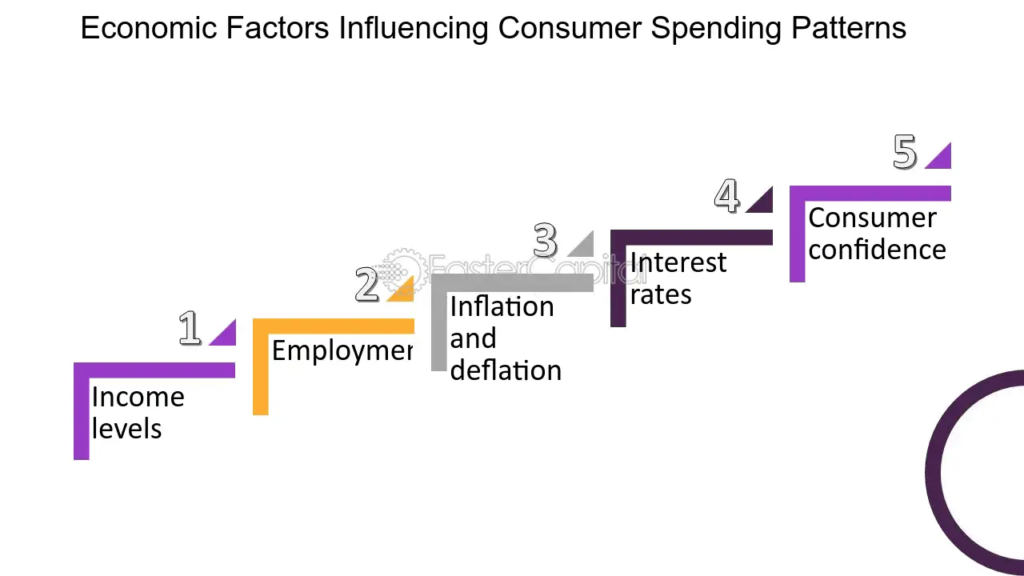
Consumer spending plays a vital role in India’s economy. From daily necessities to lifestyle choices, how people spend reflects broader economic, social, and technological shifts. In recent years, consumer spending patterns in India have undergone noticeable changes influenced by income trends, digital adoption, and evolving priorities.
Understanding these changes provides insight into where the economy is headed and how businesses and households are adapting.
Shift Toward Essential and Value-Based Spending
One significant change in consumer behavior is a stronger focus on essential spending. Households are prioritizing necessities such as food, healthcare, education, and utilities.
Consumers are also becoming more value-conscious. Price comparisons, discounts, and cost-effectiveness play a larger role in purchase decisions. This trend reflects a desire to manage budgets carefully amid rising living costs and economic uncertainty.
Brands offering affordability and reliability tend to perform better in this environment.
Growth of Digital and Online Purchases
Digital platforms have reshaped how Indian consumers shop. Online marketplaces, mobile apps, and digital payment systems have made purchasing more convenient and accessible.
Consumers now expect flexibility, home delivery, and multiple payment options. This has benefited sectors such as e-commerce, food delivery, and digital services.
Even traditional businesses are increasingly adopting digital channels to meet changing expectations.
Changing Attitudes Toward Big-Ticket Purchases
Large purchases such as homes, vehicles, and electronics are being approached more cautiously. Consumers are taking longer to make decisions, comparing options carefully and considering long-term affordability.
Financing conditions, interest rates, and income stability influence these decisions. Many households prioritize financial security before committing to high-value purchases.
This cautious approach affects industries dependent on discretionary spending.
Increased Focus on Savings and Financial Planning
Savings and financial planning have gained importance among Indian consumers. Households are more aware of the need for emergency funds and long-term financial security.
This shift has increased interest in savings instruments, insurance, and financial literacy. Consumers are seeking ways to balance current spending with future goals.
Financial awareness influences spending discipline and investment behavior.
Influence of Urbanization and Lifestyle Changes
Urbanization continues to shape spending patterns. As more people move to cities, expenses related to housing, transportation, and services increase.
Lifestyle changes have also influenced spending on convenience-based services such as subscription platforms, personal care, and health-related products. These trends reflect evolving preferences and time constraints.
However, consumers remain selective and mindful of costs.
Regional and Income-Based Differences
Spending patterns vary across regions and income groups. Urban consumers often have different priorities compared to rural households, reflecting differences in access, income, and lifestyle.
Rising aspirations across income segments influence demand for quality products and services. At the same time, affordability remains a key consideration for many families.
Understanding these variations is important for businesses and policymakers.
Conclusion
Consumer spending patterns in India are evolving in response to economic conditions, digital adoption, and changing priorities. A stronger focus on essentials, value, and financial security reflects a cautious yet adaptive mindset.
These changes highlight the importance of understanding consumer behavior in shaping business strategies and economic planning for the future.