
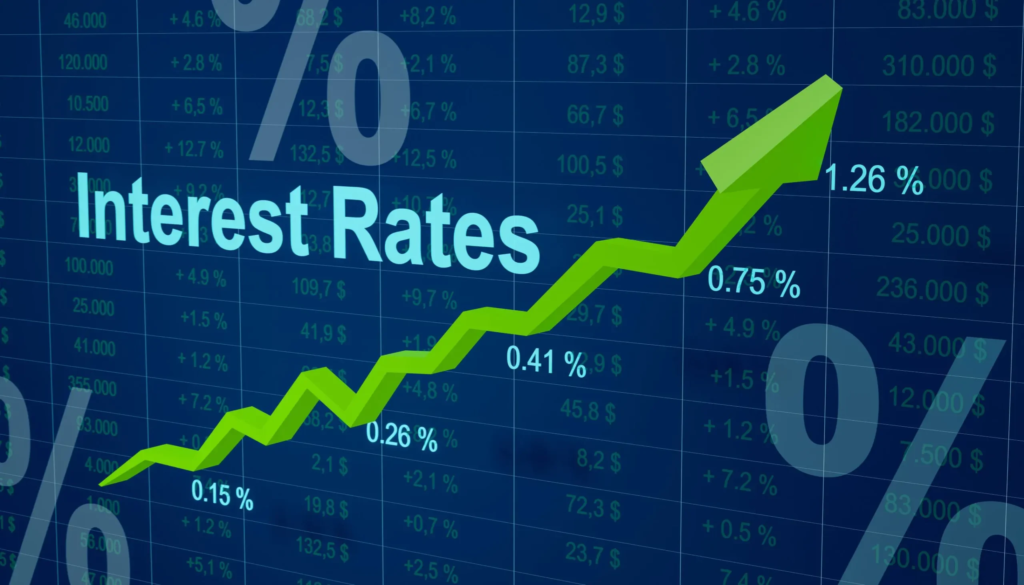
Interest rates play a central role in shaping an economy, yet many people only notice them when loan EMIs rise or fixed deposit returns change. In reality, interest rates influence almost every financial decision—how much people borrow, how much they save, and how freely they spend.
Understanding how interest rates work helps individuals make smarter choices about loans, savings, and long-term financial planning.
What Are Interest Rates
An interest rate is the cost of borrowing money or the reward for saving it. When a bank lends money, it charges interest. When individuals deposit money in savings accounts or fixed deposits, the bank pays interest.
Interest rates are largely influenced by central banks, which adjust them to manage inflation and economic growth. These rates serve as a benchmark for banks and financial institutions when setting loan and deposit rates.
How Interest Rates Affect Loans
Interest rates directly impact the cost of borrowing. When interest rates are low, loans become cheaper. Monthly repayments on home loans, car loans, and personal loans are lower, encouraging people to borrow and spend.
When interest rates rise, borrowing becomes more expensive. Loan EMIs increase, putting pressure on household budgets. This often leads people to postpone large purchases such as homes or vehicles.
Higher interest rates also affect businesses. Increased borrowing costs can slow down expansion plans, hiring, and investment, which may eventually influence job creation and economic growth.
Impact on Savings and Deposits
Interest rates determine how attractive saving money becomes. When rates are higher, savings accounts and fixed deposits offer better returns, encouraging people to save rather than spend.
In low interest rate environments, returns on traditional savings instruments may not keep up with inflation. This can push individuals to explore alternative investment options in search of better returns, depending on their risk tolerance.
For retirees and conservative investors, interest rates are especially important because they rely heavily on predictable income from savings.
Influence on Consumer Spending
Interest rates have a strong psychological and practical effect on spending habits. Lower rates usually lead to higher spending because credit is affordable and savings returns are relatively lower.
Higher interest rates often reduce discretionary spending. As loan repayments increase, households may cut back on non-essential expenses to manage finances. This slowdown in spending can affect businesses, particularly those dependent on consumer demand.
Central banks use this mechanism to control inflation. By adjusting interest rates, they influence how much people spend or save.
Interest Rates and Inflation Control
One of the primary reasons central banks raise interest rates is to control inflation. When prices rise too quickly, higher interest rates reduce borrowing and spending, helping to stabilize demand and slow price increases.
Conversely, when economic activity slows, central banks may lower interest rates to stimulate borrowing, investment, and consumption.
This balance is delicate. Sudden or sharp changes in interest rates can disrupt financial planning for both individuals and businesses.
Effect on Long-Term Financial Planning
Interest rates shape long-term financial decisions such as buying a home, planning retirement, or choosing investment strategies. A small change in interest rates can significantly alter total loan costs over time.
Understanding interest rate cycles helps individuals plan better—whether it is choosing between fixed or floating rate loans, deciding when to refinance, or adjusting savings strategies.
Being aware of interest rate trends allows people to adapt rather than react impulsively to financial changes.
Conclusion
Interest rates quietly influence nearly every aspect of financial life. From loan affordability to savings growth and spending behavior, their impact is far-reaching.
By understanding how interest rates work and why they change, individuals can make more informed decisions, manage risks effectively, and maintain financial stability in changing economic conditions.