
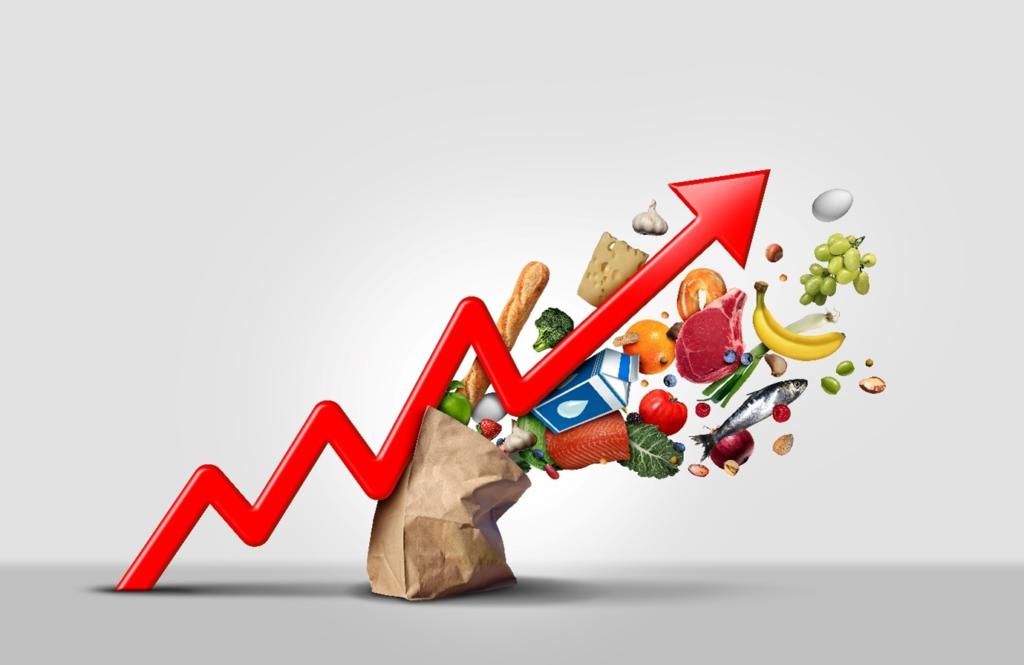
Inflation is a term that often appears in news headlines, economic discussions, and policy debates. While it may sound like a technical concept meant only for economists, inflation directly affects the daily lives of ordinary people. From grocery bills to rent, fuel prices to school fees, inflation quietly shapes how much people can afford and how they plan their finances.
Understanding inflation is important because it explains why money seems to lose value over time and why the cost of living changes even when incomes remain the same.
Understanding Inflation in Simple Terms
Inflation refers to the general increase in prices of goods and services over a period of time. When inflation rises, each unit of currency buys fewer goods and services than before. In other words, money loses purchasing power.
For example, if a basket of everyday items costs ₹1,000 this year and ₹1,100 next year, the price increase reflects inflation. Even if the change seems small, its impact accumulates over time and affects long-term financial stability.
Inflation is usually measured using indices such as the Consumer Price Index (CPI), which tracks the prices of commonly used goods and services.
What Causes Inflation
Inflation does not happen randomly. It is driven by several factors, often working together.
One common cause is increased demand. When people have more money to spend and demand for goods rises faster than supply, prices tend to go up. This can happen during periods of economic growth or after government stimulus programs.
Another factor is rising production costs. If the cost of raw materials, labor, transportation, or energy increases, businesses may raise prices to maintain profits. Fuel prices, for instance, influence transportation costs and affect prices across many industries.
Inflation can also occur due to supply disruptions. Natural disasters, geopolitical conflicts, or global supply chain issues can reduce the availability of goods, pushing prices higher.
In some cases, inflation is linked to monetary policy. When central banks increase the money supply too rapidly, excess money in the economy can lead to higher prices.
How Inflation Affects Daily Expenses
The most visible impact of inflation is on everyday spending. Food items, household essentials, rent, and utilities often become more expensive during inflationary periods. This reduces disposable income, leaving households with less money to save or invest.
For salaried individuals, inflation can feel especially burdensome if income growth does not keep pace with rising prices. Even small price increases, when applied consistently, can significantly affect monthly budgets.
Inflation also influences long-term expenses such as education, healthcare, and housing. As costs rise, families may need to adjust their priorities or delay major financial decisions.
Impact on Savings and Investments
Inflation affects savings by reducing the real value of money over time. If savings earn interest at a rate lower than inflation, the purchasing power of those savings declines. This is why simply keeping money idle can result in a gradual loss of value.
Investments are also influenced by inflation. Some assets may perform better during inflationary periods, while others may struggle. Central banks often adjust interest rates in response to inflation, which can impact borrowing costs, loan repayments, and investment returns.
Understanding inflation helps individuals make informed decisions about saving, investing, and managing debt.
Inflation and Interest Rates
Central banks play a key role in controlling inflation. One of their primary tools is adjusting interest rates. When inflation rises too quickly, central banks may increase interest rates to reduce spending and borrowing. Higher interest rates make loans more expensive, which can slow down demand and help stabilize prices.
On the other hand, when inflation is low, interest rates may be reduced to encourage spending and economic growth. This balance is essential for maintaining economic stability.
Changes in interest rates directly affect home loans, personal loans, credit cards, and fixed deposits, making inflation a critical factor in financial planning.
Why Moderate Inflation Is Considered Normal
While high inflation can be harmful, a moderate level of inflation is generally considered normal and even healthy for an economy. Mild inflation encourages spending and investment rather than hoarding money, supporting economic activity.
Problems arise when inflation becomes unpredictable or excessively high, eroding confidence and creating uncertainty. This is why governments and central banks closely monitor inflation trends and adjust policies accordingly.
Conclusion
Inflation is more than an economic term—it is a daily reality that influences how people live, spend, and plan for the future. By understanding what inflation is, why it happens, and how it affects everyday life, individuals can make better financial decisions and adapt more effectively to changing economic conditions.
Awareness of inflation allows people to protect their purchasing power, manage expenses wisely, and prepare for long-term financial stability.