
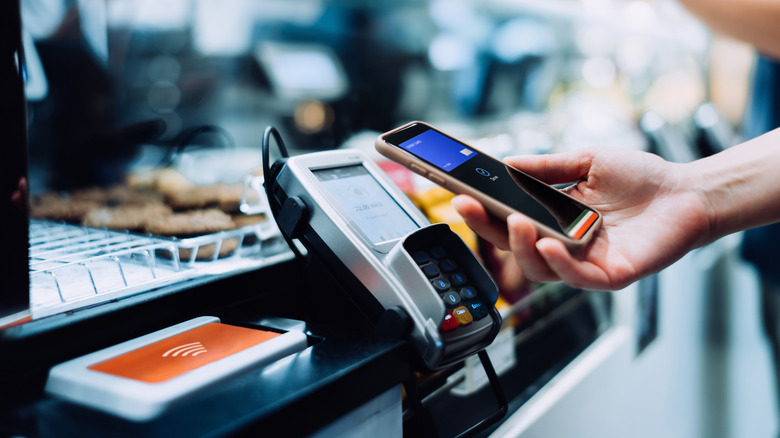
The way people pay for goods and services has changed rapidly over the past decade. Cash, once the dominant method of payment, is increasingly being replaced by digital alternatives such as cards, mobile wallets, and online transfers. From small street vendors to large international businesses, digital payments are becoming a standard part of everyday transactions.
This shift is not limited to one country or region. Across the world, governments, businesses, and consumers are embracing digital payments for reasons that go beyond convenience.
The Rise of Digital Payment Systems
Digital payments refer to transactions made electronically without the physical exchange of cash. These include debit and credit cards, mobile payment apps, online banking transfers, and contactless payment methods.
The growth of smartphones and internet access has played a major role in expanding digital payments. As more people gain access to digital devices, the infrastructure needed for cashless transactions becomes easier to implement.
Advancements in payment technology have also improved speed, reliability, and security, making digital payments more appealing to users.
Convenience and Speed
One of the strongest reasons digital payments are replacing cash is convenience. Digital transactions are faster and often require fewer steps than handling physical money. Payments can be completed within seconds, whether in a physical store or online.
For businesses, digital payments reduce the need to manage cash, lower the risk of theft, and simplify accounting processes. For consumers, they eliminate the need to carry large amounts of cash or search for exact change.
This efficiency is particularly valuable in busy urban environments and high-volume transaction settings.
Improved Transparency and Record Keeping
Digital payments automatically create transaction records. This helps individuals track spending and manage budgets more effectively. Businesses benefit from accurate sales records and simplified financial reporting.
Governments also view digital payments as a way to increase transparency in economic activity. Electronic records can reduce informal transactions and improve tax compliance, contributing to more organized financial systems.
This transparency has encouraged many countries to promote digital payment adoption through policy initiatives and incentives.
Security and Reduced Risks
Handling cash involves certain risks, including theft, loss, and counterfeit currency. Digital payments reduce these risks by using encryption, authentication, and fraud detection systems.
While digital transactions are not completely risk-free, security measures such as two-factor authentication and transaction alerts help protect users. Over time, improvements in cybersecurity have increased confidence in digital payment systems.
For many users, the perceived safety of digital payments now outweighs concerns about carrying physical cash.
Financial Inclusion and Accessibility
Digital payments play a significant role in expanding financial inclusion. People who previously had limited access to traditional banking services can participate in the digital economy through mobile payment platforms.
This has been especially impactful in developing regions, where mobile-based payment systems have enabled millions to send, receive, and store money securely.
By lowering barriers to entry, digital payments help integrate more people into formal financial systems.
Challenges and Concerns
Despite their advantages, digital payments face challenges. Limited internet access, digital literacy gaps, and concerns about data privacy remain obstacles in some regions.
There are also concerns about system outages and overdependence on technology. Ensuring secure and inclusive digital payment systems requires ongoing investment and regulation.
Balancing convenience with privacy and security continues to be an important focus for policymakers and service providers.
Conclusion
The shift from cash to digital payments reflects broader changes in technology, consumer behavior, and economic systems. Convenience, transparency, and accessibility have driven the global adoption of digital payment methods.
While cash is unlikely to disappear entirely, digital payments are set to play an increasingly central role in how people transact, shaping the future of commerce and financial interaction worldwide.