
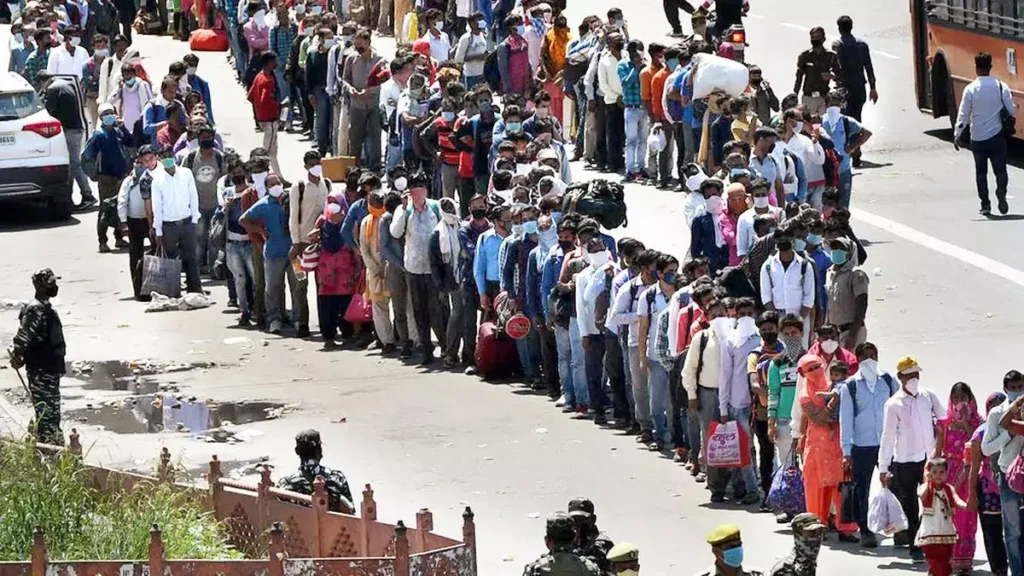
Urban migration has been a long-standing trend in India, with millions of people moving from rural areas to cities each year. This movement is driven by a mix of economic, social, and lifestyle factors. As cities expand, urban migration continues to reshape India’s population distribution and development patterns.
Understanding why people migrate to cities helps explain both the opportunities and challenges associated with urban growth.
Search for Better Employment Opportunities
One of the primary drivers of urban migration is employment. Cities offer a wider range of job opportunities across industries such as manufacturing, services, technology, and construction.
Rural areas often have limited employment options, particularly outside agriculture. As people seek stable incomes and career growth, cities become attractive destinations.
This economic motivation remains a strong pull factor.
Access to Education and Skill Development
Urban centers provide better access to educational institutions, training centers, and skill-development programs. Higher education opportunities are often concentrated in cities.
Families migrate to ensure better educational prospects for children. Over time, education-driven migration contributes to a skilled urban workforce.
Education plays a key role in shaping long-term migration trends.
Improved Healthcare and Services
Cities generally offer better healthcare facilities, including hospitals, specialists, and emergency services. Access to quality healthcare is a major consideration for families.
In addition to healthcare, urban areas provide better access to utilities, transportation, and digital services. These factors improve quality of life and influence migration decisions.
Reliable services make cities more attractive.
Changing Aspirations and Lifestyle Preferences
Urban migration is also influenced by changing aspirations. Exposure to media, technology, and urban lifestyles shapes expectations around living standards.
Cities offer lifestyle options such as entertainment, connectivity, and social mobility that appeal to younger populations. These preferences influence migration patterns beyond purely economic reasons.
Lifestyle aspirations continue to shape demographic movement.
Challenges in Rural Economies
Limited infrastructure, seasonal employment, and income uncertainty in rural areas push people to seek alternatives. Agricultural dependence and climate variability can increase economic vulnerability.
Migration becomes a coping strategy for households facing limited local opportunities. Urban migration provides access to diversified income sources.
Addressing rural challenges is essential to balancing migration.
Impact on Cities and Infrastructure
While urban migration supports economic growth, it also places pressure on city infrastructure. Housing demand, transportation congestion, and public services face increased strain.
Managing urban expansion requires planning, investment, and policy coordination. Sustainable urban development is critical to accommodating growing populations.
Balancing growth with livability remains a key challenge.
Conclusion
Urban migration in India continues to increase due to employment opportunities, education access, healthcare availability, and evolving aspirations. While cities offer opportunities, they also face challenges related to infrastructure and sustainability.
Understanding migration trends is essential for planning balanced development and improving living conditions across both urban and rural areas.